how to get rid of mice , for Mice Control East Gwillimbury
how to get rid of mice , for Mice Control East Gwillimbury
Blog Article
Discovering mice in the house can be worrying, especially when signs appear in food cupboards, bedrooms, or hidden spaces. A single house mouse can come in through a very small opening, then make a nest near reliable food, warmth, and water. Fast action helps reduce property damage, food contamination, and the risk of a recurring infestation.
Effective Mice Control East Gwillimbury homeowners can rely on starts with locating the source. You need to determine how mice enter, clear away access to food and shelter, place traps safely, and wash contaminated surfaces. If the problem continues, a pest control technician can provide a professional inspection, targeted mouse removal, exclusion, and follow-up treatment. Mosquito Man is one business that may be contacted for pest control services and advice.
Ways to Tell If Mice Are in Your House
The most common indicators of mice are mouse droppings, scratching noises, gnaw marks, and nesting material. Mice are usually active at night, so you may not see them directly. Instead, watch for small changes around areas where food, warmth, and shelter are available.
Mouse droppings often look like dark, rice-shaped pellets. Fresh droppings may look moist or shiny, while older ones become dry and dull. Check inside cupboards, beneath appliances, along baseboards, behind stored items, and near pet food. A rising amount of droppings suggests active mice rather than an old, resolved issue.
Chewed materials provide another strong sign. Mice may damage cardboard, paper, foam, fabric, insulation, and plastic packaging to reach food or build a nest. Chewed wires deserve immediate attention because damaged electrical insulation pop over to this web-site can create a fire risk. Look for fine tooth marks on food packages, utility lines, and stored items.
Gnaw marks usually appear near entry points or feeding areas. Mice must constantly wear down their teeth, so they may gnaw wood, drywall, plastic, and wiring. A pest control technician can help distinguish fresh gnawing from damage caused by another rodent.
You may hear scratching sounds inside wall voids, ceilings, the attic, or beneath the floor. Listen after the house becomes quiet. Repeated movement, squeaking, or rustling in the same area can point to a nest. Urine trails may also leave a sharp odour or faint staining along regular travel routes.
- Examine dark areas with a flashlight.
- Check behind refrigerators, stoves, and laundry equipment.
- Look for nesting materials such as shredded paper, fabric, and insulation.
- Note where scratching sounds or mouse activity occur each night.
What Draws Mice to Homes
Mice enter homes for four basic reasons: food supplies, trash, clutter, and cover. Eliminating one attractant helps, but ongoing prevention requires attention to all four.
Available food include cereal, grains, pet food, bird seed, nuts, sweets, and crumbs. Mice can bite through thin cardboard and plastic bags. Move dry goods into hard, sealed containers. Keep counters crumb-free and wipe spills up quickly. Do not leave pet food out overnight if mice are active.
Open or poorly closed waste bins provide quick access to food scraps. Use containers with tight-fitting lids. Empty indoor garbage often, clean food packaging before recycling, and keep outdoor waste secured. Sanitation will not remove mice that already live inside, but it reduces the food supply that supports them.
Clutter gives mice places to hide and nesting materials. Stacks of boxes, unused furniture, paper bags, and stored fabric can create hidden travel routes. Keep items off the floor where possible, and leave space around walls so you can inspect for signs of mice.
Shelter may be available in an attic, basement, garage, wall voids, or spaces beneath cabinets. Mice prefer undisturbed areas near insulation and warmth. They can squeeze through cracks and gaps around pipes, vents, doors, foundations, and utility lines. Mouse-proofing must address those entry points rather than only removing the mice you can see.
What to Do When You Find Mouse Droppings
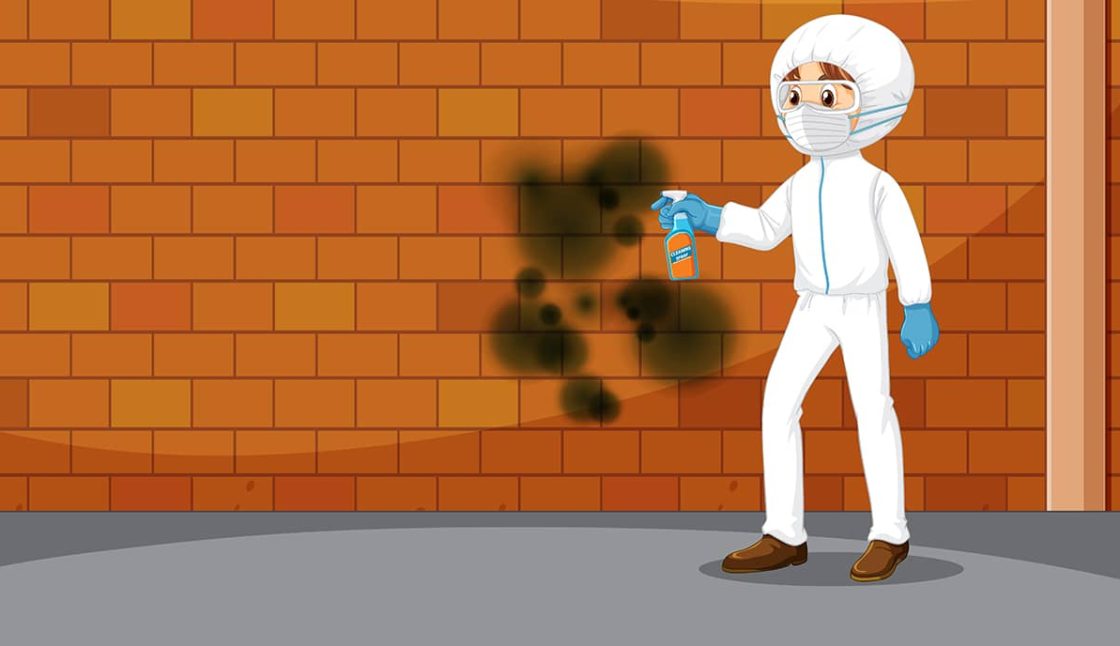
Mouse droppings and urine trails can contain bacteria and may aggravate allergies or asthma. Brushing or vacuuming dry waste can release contaminated particles into the air. Treat the area as potentially contaminated and use safe cleanup methods.
Wear suitable personal safety equipment, including disposable gloves and, where dust or heavy contamination is possible, a properly fitted mask. Keep children and pets away from the area. Leave open doors or windows if practical, but avoid raising dust.
Do not touch droppings with bare hands. Spray the waste with a household disinfectant or an appropriate diluted bleach solution. Allow the disinfectant to remain wet for the time stated on the product label. Pick up the softened material with paper towels, place everything in a sealed bag, and dispose of it according to local waste rules.
Clean nearby surfaces with disinfectant. Wash reusable gloves before removing them, then wash your hands with soap and water. Launder contaminated bedding or clothing separately. If insulation, porous materials, or a large area has been affected, ask a professional about safe cleanup and replacement.
Safe cleanup also includes finding the reason the droppings appeared. Record the location, inspect nearby food storage, and check for cracks and gaps. Cleaning alone will not solve a mouse infestation if mice still have access to the room.

Ways to Remove Mice Safely
A low-risk mouse treatment includes elimination, cleaning, and entry-point repairs. Traps can be effective for a few of mice when you set them correctly. Bigger or repeated problems often require professional pest control.
Quick-kill traps can offer a quick, effective way to remove mice. Place them along walls, behind appliances, and near new mouse droppings. Position the trigger end toward the wall because mice often travel with their bodies close to a surface. Use a limited amount of suitable bait. Too much bait may allow a mouse to feed without setting off the trap.
Catch-and-release traps catch mice without killing them, but they require frequent checks. A trapped mouse can become distressed, dehydrate, or soil the device. Relocating a mouse may not solve the problem if other mice remain inside or if access points stay open. Follow applicable animal welfare and disposal requirements.
Rodenticides can harm children, pets, and wildlife if used incorrectly. Never place loose poison where a child or pet can access it. A rodenticide may also leave a dead mouse inside a wall, creating odour and sanitation concerns. If poison is necessary, a trained provider should select and place it according to the product label.
Professional pest control may be the better option when mice are active in wall voids, the attic, or several rooms. It can also help when traps have failed, droppings keep appearing, or you cannot identify the entry route. The goal should include mouse removal and prevention, not repeated placement of poison.
Selecting the Best Mouse Control Method
Good trap positioning depends on mouse behaviour. Place devices beside walls and near signs of activity, not in the centre of an open room. Use enough traps to cover active routes, and check them according to the manufacturer’s instructions.
Child-resistant bait stations offer more protection than open bait placement. They should remain inaccessible to children and pets and should never replace repairs to entry points. A professional can decide whether bait stations are suitable for the structure and level of activity.
Integrated rodent control combines inspection, sanitation, trapping, monitoring, and exclusion. This plan targets the root problem as well as the present mouse activity. It can reduce the need for repeated chemical treatment and makes it easier to identify a repeat infestation early.
The safety of children and pets must direct every choice. Position snap traps behind appliances or within protected areas. Store bait and cleaning products securely. Tell a professional about pets, children, mobility concerns, and any rooms that must stay accessible.
How Professionals Handle a Mouse Infestation
A specialist response usually starts with an inspection. The pest control technician searches for droppings, urine trails, gnaw marks, nesting materials, odours, and travel routes. They may check the attic, basement, crawlspaces, utility areas, cupboards, and wall voids.
Entry-point identification is central to lasting control. The technician checks around doors, vents, pipes, foundation joints, roof connections, and service lines. Mice can fit through a gap close to the width of a pencil, so small openings should not be overlooked.
Entry-point sealing means sealing routes that allow mice to enter. Depending on the location, repairs may involve metal mesh, hardware cloth, sealant, door sweeps, or other durable materials. Expanding foam alone may not hold up against gnawing in exposed areas.
The provider may combine traps, tamper-resistant bait stations, sanitation recommendations, and repairs. This plan should match the level of activity and the presence of children or pets. Ask what products will be used, where they will go, and how you should ready the rooms.
Return visits help confirm whether activity has stopped. A technician may check traps, inspect repaired entry points, remove remains, and adjust the treatment plan. Follow-up treatment is especially useful when mice have nested in concealed areas or when new signs show up after the first visit.
Preventing Mice from Coming Back
The process begins outside the living space. Check around the building and look for gaps around pipes, vents, doors, windows, siding, and foundation joints. Prioritize areas where different materials meet. Close openings with materials mice cannot easily chew through.
Inside, upgrade food containment. Place grains, snacks, pet food, and baking ingredients in sealed containers. Clean shelves and floors after spills. Clear crumbs out of toaster trays and clean beneath appliances.
Keep garbage closed and remove food waste regularly. Store bird seed and animal feed in durable containers. Do not allow water leaks to continue beneath sinks or near appliances because mice need water as well as food.
Yard care can limit hiding places near the structure. Keep grass, weeds, firewood, compost, and dense vegetation away from exterior walls where practical. Keep stored materials elevated off the ground and avoid placing boxes or equipment directly against the building.
Arrange regular inspections in areas that are rarely used. Inspect the attic, basement, storage rooms, garages, and utility spaces for new droppings or chewed materials. Early detection makes mouse removal simpler and may prevent a larger mouse infestation.
Mice prevention is an ongoing task. After sealing holes, continue to monitor the same areas for several weeks. If fresh droppings appear after repairs, the mice may be using a missed route or may already be nesting inside.
Mouse Control Pricing and Service Response Times
The service price is based on infestation severity, the size of the property, the number of areas affected, access conditions, and the work needed for exclusion. A minor issue involving one accessible room may require less service time than activity spread through an attic, basement, and wall voids.
Request a written description of the service before work begins. It should outline inspection charges, trap or bait placement, exclusion repairs, sanitation, follow-up visits, and any taxes or additional materials. A low initial price may not include the repairs needed to stop mice from returning.
Emergency treatment may be appropriate when mice have damaged wires, contaminated food preparation areas, or entered a sensitive space. Describe the signs you found and the affected rooms when requesting service. This helps the provider determine the response level and bring suitable equipment.
Some providers offer guarantees on service, while others provide follow-up visits for a set period. Check the conditions carefully. A guarantee may cover additional treatment but exclude structural repairs, sanitation, or new activity caused by an unsealed opening. Ask how long coverage lasts and what the customer must do after treatment.
Questions and Answers About Mice Control
How can I tell if I have mice in my East Gwillimbury home?
Check for mouse droppings, gnaw marks, chewed wires, urine trails, nesting materials, unusual odours, and scratching sounds at night. Check behind appliances, inside cupboards, and near wall openings. Seeing a mouse is also a clear sign, but you should inspect for additional activity because more mice may remain hidden.
What attracts mice to homes in East Gwillimbury?
Mice seek food, water, warmth, and shelter. Open food packages, pet food, garbage, clutter, insulation, and gaps around pipes or doors can all attract them. Improve sanitation, store food in sealed containers, secure garbage, and seal holes around the building.
How much does mice control in East Gwillimbury cost?
The cost varies with the severity of the infestation, the scale of the property, the number of entry points, and whether exclusion or cleanup is required. Ask for an detailed quote that covers inspection, treatment, repairs, and follow-up. Service guarantees may also change the total price.
Are mice control methods suitable for children and pets?
They can be safe when traps, rodenticide, and bait stations are picked and placed correctly. Keep children and pets away from all treatment areas, and never use loose poison in accessible spaces. Tell the pest control technician about pets and children before treatment so the plan can include appropriate safeguards.
Can I stop mice from returning after treatment?
Yes, but prevention requires more than removing visible mice. Seal entry points, improve food storage, secure garbage containers, reduce clutter, maintain the yard, and inspect the attic, basement, and other quiet spaces regularly. If fresh signs return, schedule a professional inspection to find a missed opening or ongoing infestation.
Report this page